Sometime in late March, something shifts.
It's not a gradual transition. It's more like a switch being thrown. One day the sports news cycle is running its normal rotation — football transfer rumors, tennis tournament draws, the occasional boxing press conference. And then the IPL starts, and everything else moves to the sidebar.
Not metaphorically. Actually to the sidebar. The conversation reorganizes itself around cricket, around India, around two months of matches that will run until the Indian summer is deep and relentless and the final is done.
This is what the Indian Premier League does to global sports culture. Every single year. Without asking permission.
The Broadcast Machine
The first thing to understand about the IPL's dominance is that the broadcast rights alone tell the whole story.
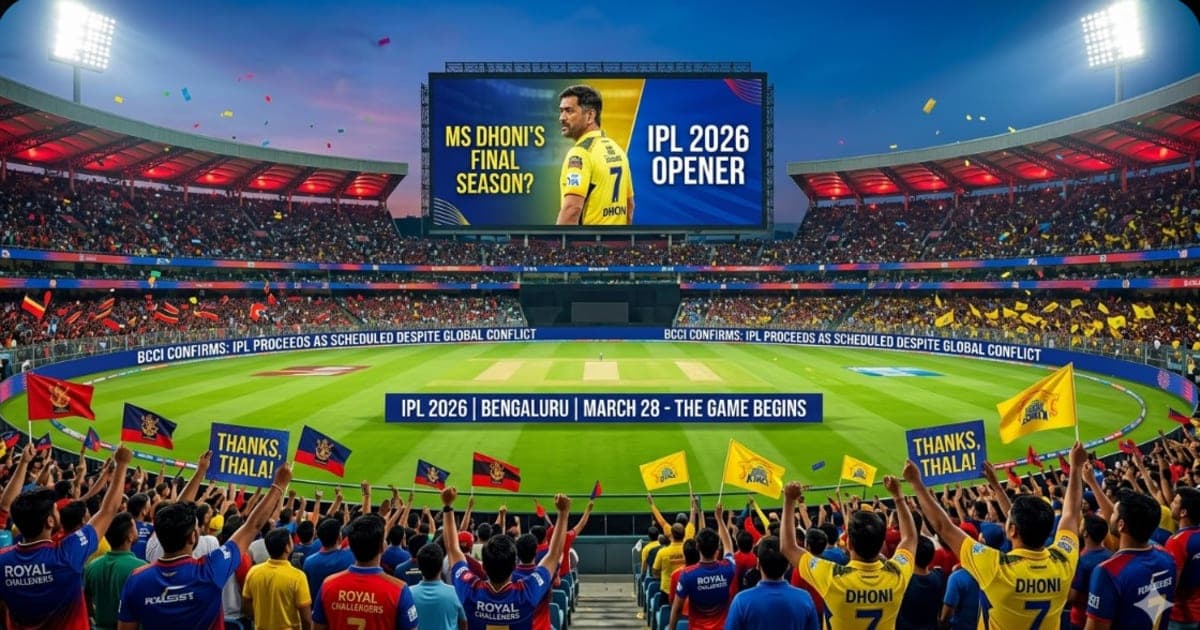
The numbers are in the billions of dollars. That level of investment doesn't just buy airtime — it buys the guarantee that the opening night is a production, not just a game. Elaborate ceremonies. Bollywood performances. International artists. The whole architecture is designed to ensure that people who don't care about cricket are still watching, because what's on their screen is also entertainment.
The effect on everything else airing at the same time is predictable and slightly brutal. Rival networks don't bother scheduling anything serious against a prime-time IPL clash. Cinema releases in India are planned around the match calendar — not because studios are being generous but because they've run the numbers and know they can't compete with Kohli at the crease or Dhoni behind the stumps in a run chase.
The advertisers paying millions for a ten-second spot understand exactly what they're buying: access to a captive audience of a size that simply doesn't exist anywhere else outside of a World Cup final or an Olympic opening ceremony. They're not buying television time. They're buying the room.
The Fantasy Layer
Then there's the parallel economy running underneath the broadcast — the fantasy sports ecosystem that has quietly become its own industry.
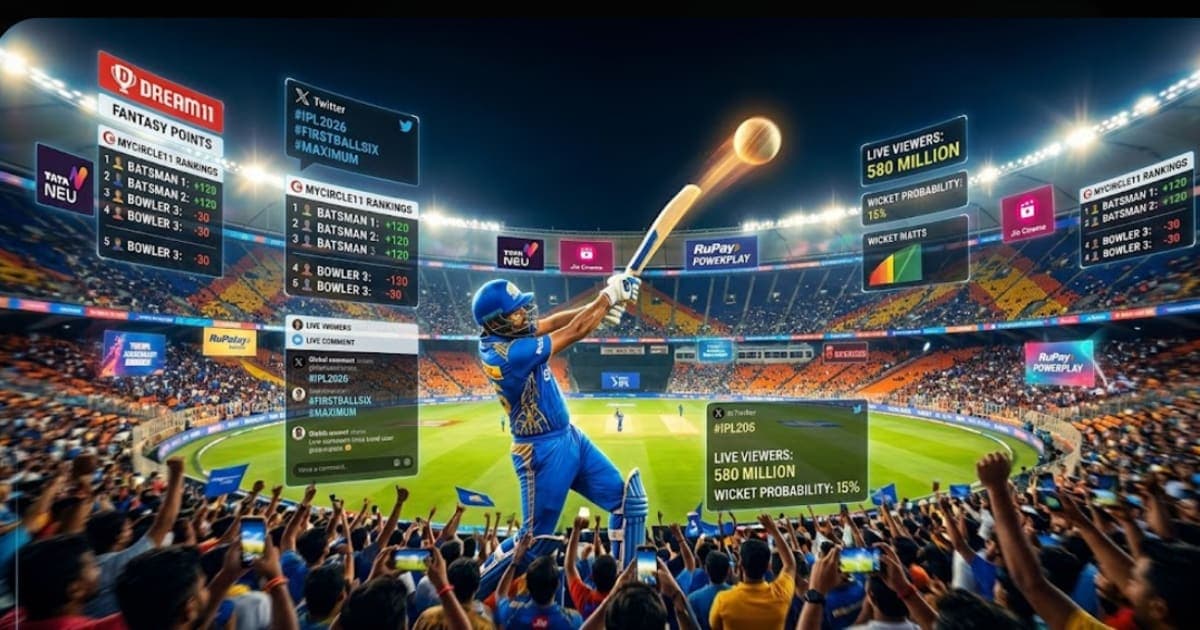
Dream11, MyCircle11, and the platforms around them process tens of millions of active users the moment the IPL season opens. The opening week is their Black Friday. Their servers know it's coming and prepare accordingly.
Fantasy participation fundamentally changes how people watch cricket. A fan with a carefully assembled Dream11 squad isn't watching who wins the match — they're watching every delivery, every dropped catch, every run in the 19th over, because all of it is live data affecting their standings against people they know and total strangers they've never met.
This creates a secondary layer of engagement that is relentless and metric-driven. For every preview article analyzing the actual teams, there are twenty more analyzing fantasy value. An uncapped all-rounder playing his third IPL match becomes a household name overnight if he's the "must-have" differential pick of the week — not because of his TV coverage, but because the fantasy community decided he was worth owning.
The fantasy industry doesn't follow the IPL's coattails. It amplifies the signal. It keeps the conversation going through every mid-season lull, every rain delay, every dead rubber. Because someone's fantasy points are always on the line.
What Happens to Social Media
If you want to understand what IPL opening weekend does to digital platforms, watch the trending topics on X from approximately 7 PM IST on match night.
The list gets cleared and rebuilt in real time. Within sixty seconds of a spectacular six, there are memes. Within five minutes of a controversial LBW decision, there are debates that will run for days. A funny dugout moment makes TikTok before the next ball is bowled.
Brands with no IPL affiliation whatsoever have real-time marketing teams on duty during matches, hunting for the one topical post that cuts through the noise. Because being invisible during IPL season on social media is a choice that costs you something.
What's changed over the last few years is the decentralization of commentary. The veteran television commentator is now competing for attention with fan-run accounts that have two million followers and a faster take. With YouTubers doing ball-by-ball breakdowns that get half a million views by morning. With Threads threads that read like the most entertaining cricket analysis you've ever encountered, written by someone whose name you'll forget but whose take you'll remember.
The IPL isn't something this generation just watches. It's something they participate in, argue about, screenshot, caption, post, and collectively build via every screen they own.
What Two Months Actually Looks Like
The opening weekend is the ignition. What follows is two months of sustained dominance that restructures the global cricket calendar around a single tournament.
International cricket quietly slows. Most elite players are in India. The points table, the Orange Cap race, the playoff permutations, the question of which franchise has the most coherent death bowling attack — these become the default settings for sports media worldwide.
Other leagues watch this and feel something between respect and honest envy. The NFL, the Premier League, the NBA — all of them are significant, all of them command massive audiences. But none of them do what the IPL does to a single country's cultural attention for two consecutive months. The concentration is different. The depth of engagement is different.
By the time the final is played and the trophy is lifted, the IPL hasn't just been a tournament. It has been the texture of the season — the thing people talked about at dinner, argued about in office groups, stayed up late watching, and built fantasy teams around with a seriousness that would embarrass them if they admitted how much time they spent on it.
The juggernaut doesn't ask if you're ready when it arrives. It just arrives. And then, for two months, it's all there is.
This article is a sports and cultural analysis piece on the Indian Premier League's media and social impact. All broadcast and fantasy platform references are based on publicly reported industry data.